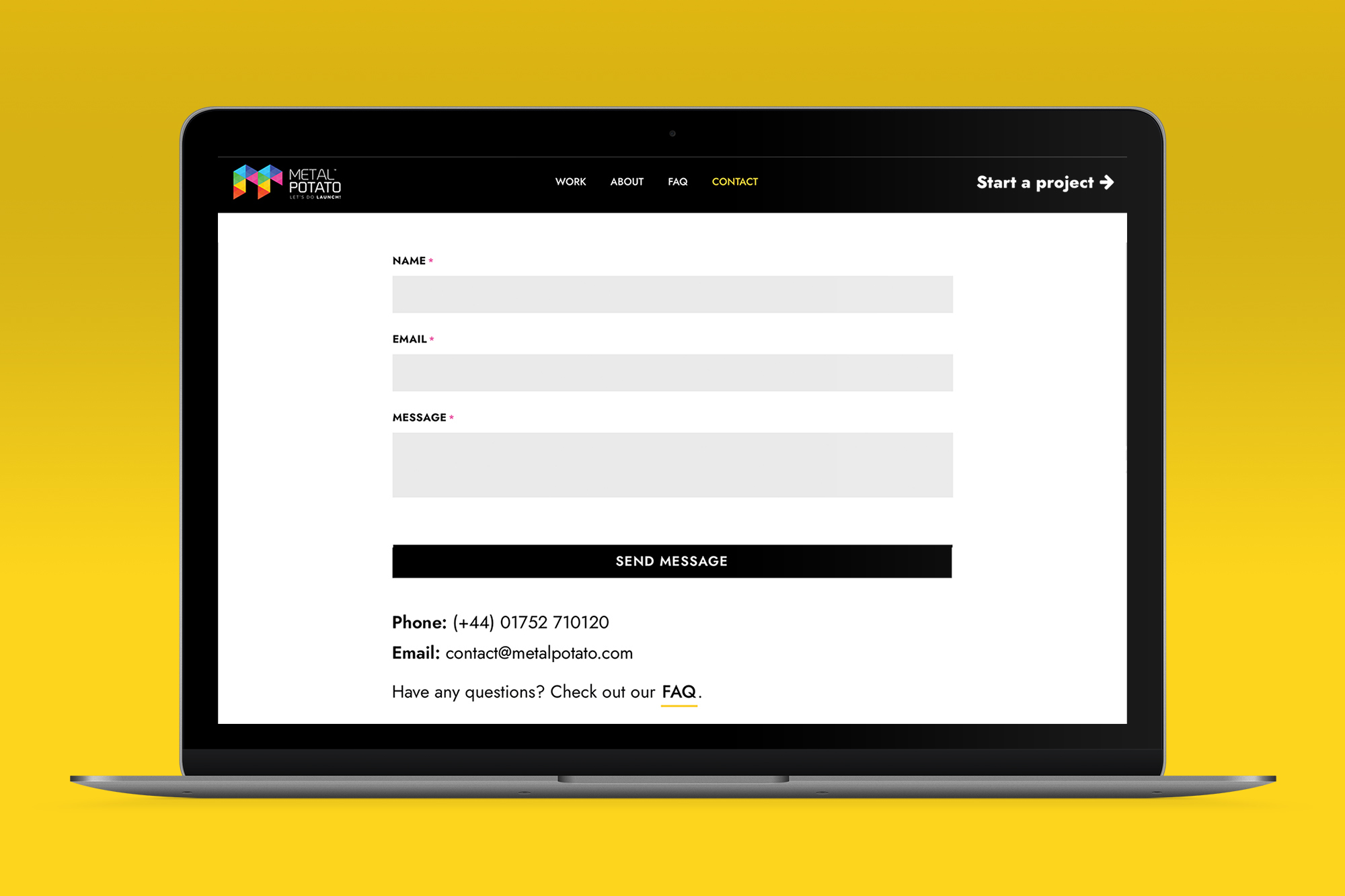


As a marketer, you know that getting your target audience to take action is crucial to the success of your campaigns. This is where call-to-action (CTA) comes in. A call-to-action refers to a prompt that urges your audience to engage in a particular action, such as clicking on a button, completing a form, or initiating a purchase. In this comprehensive guide, I will show you how to master the art of CTA and create compelling CTAs that drive conversions.

Understanding the basics of call-to-action (CTA)

Before we dive into the nitty-gritty of creating effective CTAs, it’s essential to understand what a CTA is and why it matters. A CTA is a marketing tool that prompts your audience to take a specific action. It could be anything from signing up for a newsletter to making a purchase. CTAs are typically placed at the end of a piece of content, such as a blog post, landing page, or social media post.

CTAs are essential because they guide your audience towards the desired action, making it more likely that they will convert. Without a call-to-action, your audience may read your content and move on without taking any action. A well-crafted CTA can help you achieve your marketing goals, whether that’s generating leads, increasing sales, or building brand awareness.

The science behind effective CTAs

Creating an effective call-to-action requires more than just adding a button to your content. There is a science behind what makes it effective. Here are some best practices to keep in mind when crafting your CTAs:

  • Use action-oriented language: Use verbs that encourage action, such as “download,” “subscribe,” or “buy.”
  • Generate a feeling of urgency: Use language that creates a sense of urgency, such as “limited time offer” or “act now.”
  • Keep it short and sweet: Use concise language and keep your CTA to one line.
  • Use contrasting colours: Use colors that stand out from the rest of your content to draw attention to your CTA.
  • Use whitespace: Use whitespace to highlight your CTA and make it easier to read.

Crafting a compelling call-to-action that converts

Crafting a compelling CTA requires a deep understanding of your audience and their needs. Here are some tips to help you create CTAs that convert:

  • Know your audience: Understand your audience’s pain points and what motivates them to take action.
  • Be specific: Use specific language that clearly communicates what action you want your audience to take.
  • Offer value: Give your audience a reason to take action by offering something of value, such as a free download or a discount code.
  • Test and iterate: Test different CTAs to see which ones perform best and make data-driven decisions to improve your strategy.

Best practices for CTA placement

The placement of your call-to-action can have a significant impact on its effectiveness. Here are some best practices to keep in mind when deciding where to place your CTA:

  • Place your CTA above the fold: Make sure your CTA is visible without having to scroll down.
  • Use multiple CTAs: Use multiple CTAs throughout your content to give your audience more opportunities to take action.
  • Use whitespace: Use whitespace to make your call-to-action stand out and draw attention to it.
  • Use directional cues: Use arrows or other directional cues to guide your audience towards your CTA.

Types of CTAs and when to use them

There are several types of CTAs, and each serves a different purpose. Here are some of the most common types of CTAs and when to use them:

  • Sign-up: Use a sign-up CTA to encourage your audience to join your email list or register for an event.
  • Buy: Use a buy CTA to encourage your audience to make a purchase.
  • Download: Use a download CTA to offer your audience a free resource in exchange for their contact information.
  • Learn more: Use a learn more CTA to encourage your audience to explore your product or service.

Designing visually appealing call-to-actions

The design of your CTA can have a significant impact on its effectiveness. Here are some tips to help you design visually appealing CTAs:

  • Use contrasting colours: Use colours that stand out from the rest of your content to draw attention to your CTA.
  • Use buttons: Use buttons instead of text links to make it more visually appealing.
  • Use images: Use images to make your CTA more eye-catching.

Measuring success

Measuring the success of your CTAs is essential to improving your marketing strategy. Here are some metrics to track:

  • Click-through rate (CTR): The percentage of people who clicked on your CTA.
  • Conversion rate: The percentage of people who completed the desired action after clicking on your CTA.
  • Bounce rate: The percentage of people who left your site after clicking on your CTA without taking any action.

Common CTA mistakes to avoid

Here are some common CTA mistakes to avoid:

  • Vague language: Use specific language that clearly communicates what action you want your audience to take.
  • Too many CTAs: Use multiple CTAs throughout your content, but don’t overdo it.
  • Poor placement: Make sure your CTA is visible and easy to find.
  • Lack of value proposition: Give your audience a reason to take action by offering something of value.

Examples of successful CTAs

Here are some examples of successful call-to-action’s from top brands:

  • Airbnb: “Book unique homes and experience a city like a local.
  • Spotify: “Get 3 months of Premium for $0.99.
  • HubSpot: “Get started with free tools.
  • Dropbox: “Get started for free.
  • Metal Potato: “Let’s do launch!

Tools for creating and testing CTAs

There are several tools available to help you create and test CTAs. Here are some of the best:

  • Unbounce: A landing page builder that allows you to create and test CTAs.
  • Optimizely: An A/B testing tool that allows you to test different CTAs to see which ones perform best.
  • Crazy Egg: A heatmap tool that allows you to see where your audience is clicking on your site.

Conclusion

CTAs are a crucial part of any marketing strategy, and crafting effective CTAs requires a deep understanding of your audience and their needs. By following the best practices outlined in this guide and continuously testing and iterating your call-to-actions, you can  drive conversions and help you achieve your marketing goals.

Ignite your online success with our expert web design. Book a consultation now and dominate your digital presence. Learn more about the range of services we offer and how we can assist you in achieving online success. Don’t wait, act today!

Let's make a website!

Book a FREE video call to discuss your business, project strategy, and more!

"*" indicates required fields

Step 1 of 2